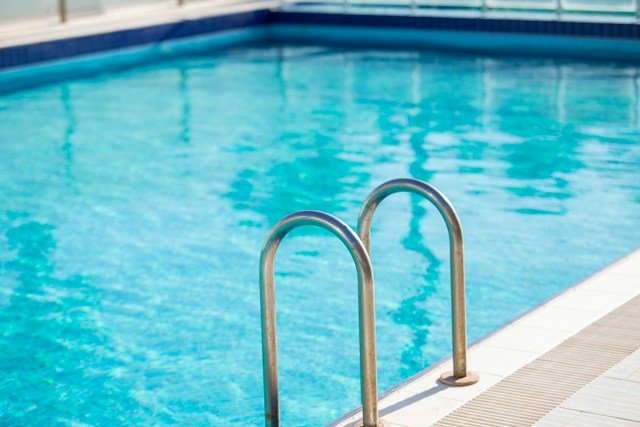
A swimming pool can look perfectly clear and still need attention. The surface may be free of leaves while circulation is weakening, the filter is becoming overloaded or the water chemistry is beginning to drift.
That matters in Singapore, where outdoor pools face year-round sunshine, heavy rain, warm conditions and organic debris. A landed-home pool surrounded by mature trees will not need exactly the same care as a sheltered pool with lighter usage.
Effective swimming pool maintenance in Singapore therefore involves more than keeping the water visually clean. A complete maintenance routine combines circulation, filtration, physical cleaning, water testing, chemical adjustment and early attention to equipment problems.
The right schedule also depends on the pool itself. Size, bather load, surrounding vegetation, filtration capacity, rainfall and operating hours all influence how quickly conditions can change.
This guide explains the main parts of pool maintenance, the problems owners should watch for, how Singapore’s weather affects pool care, which tasks can reasonably be handled between professional visits and what to compare when choosing a pool-maintenance provider.
Key Takeaways
- Clear water does not automatically mean that circulation, filtration and chemistry are all performing properly.
- Good pool maintenance combines cleaning, circulation, filtration, testing and appropriate water treatment.
- Heavy rain, high usage and surrounding vegetation can change maintenance needs between scheduled visits.
- Green or cloudy water is often a symptom of a wider circulation, filtration or water-treatment problem rather than simply a cleaning issue.
- A weak return flow does not automatically mean the pump needs replacement; baskets, filters, valves and plumbing should also be checked.
- There is no single maintenance frequency suitable for every residential pool.
- Singapore’s NEA aquatic-facility requirements apply to licensable facilities with recirculation systems at non-residential premises and should not be treated as a universal dosing schedule for every private home pool.
- A good maintenance agreement should clearly separate routine servicing from repairs, replacement parts and restoration work.
Swimming Pool Maintenance at a Glance
| Maintenance Area | What It Does | Common Warning Signs |
| Skimming | Removes leaves, insects and floating debris | Surface debris accumulating quickly |
| Brushing | Loosens deposits and early growth from walls, steps and waterline | Slippery areas, staining, visible build-up |
| Vacuuming | Removes settled dirt and sediment | Debris remaining on pool floor |
| Circulation | Moves water through the treatment and filtration system | Weak return jets, air bubbles, stagnant areas |
| Filtration | Removes suspended particles | Cloudy water, abnormal pressure, reduced flow |
| Water testing | Measures chemistry before adjustment | Irritation, algae, unstable water quality |
| Equipment checks | Identifies developing mechanical problems | Noise, leaks, vibration, priming problems |
| Surface inspection | Detects physical deterioration | Loose tiles, failing grout, rough coatings |
These tasks work together. Maintaining only one part of the system rarely keeps a pool stable for long.
Pool Care Is a Connected System
A swimming pool is easier to maintain when it is treated as one water-management system rather than a list of unrelated cleaning tasks.
Circulation moves water through the treatment system. Filtration removes suspended material. Physical cleaning deals with debris that filters cannot collect efficiently, while testing shows whether chemical adjustment is actually required.
A problem in one area often places greater demand on the others.
For example:
Dirty filter → reduced flow → weaker circulation → poorer water distribution → greater risk of cloudiness or algae
Similarly:
Heavy debris → increased filtration load → reduced performance if baskets and filters are neglected
This is why adding more chemicals is not always the right response when a pool starts behaving differently.
The mechanical side of the system deserves attention as well.
Singapore Weather Changes the Maintenance Routine
Outdoor pools in Singapore do not have a long seasonal shutdown. Rain, sunlight, warm weather and vegetation can influence the pool throughout the year.
Heavy rain can:
- increase the water level;
- introduce leaves and dirt;
- dilute existing chemical concentrations; and
- increase the load on filters and baskets.
Strong sun can affect water temperature and the behaviour of some disinfectants, while pools near trees and gardens may receive regular leaves, pollen and insects.
Maintenance should therefore respond to what has happened at the property.
A pool that has just experienced several days of rain may need an additional water test and debris check. A pool beneath mature trees may need surface cleaning between scheduled professional visits.
The better approach is condition-based maintenance supported by a regular routine, rather than relying on the calendar alone.
A Practical Pool-Maintenance Routine
There is no universal schedule for every pool, but several tasks need recurring attention.
Surface Cleaning
Remove leaves, insects and other floating material before they sink or enter the circulation system.
Walls, Steps and Waterline
Brush areas where deposits, dirt or early biological growth are appearing.
Corners and areas with weaker circulation can require additional attention.
Pool Floor
Vacuum or use suitable automated cleaning equipment to remove settled sediment.
Baskets and Strainers
Check accessible baskets before they become overloaded and restrict water movement.
Filtration
Monitor filter condition and operating pressure according to the equipment installed.
Water Chemistry
Test before making significant chemical adjustments.
Equipment
Watch and listen for changes in pump operation, flow, leakage and vibration.
After Unusual Events
Carry out additional checks after:
- prolonged rainfall;
- unusually heavy pool use;
- major debris accumulation;
- an algae treatment; or
- equipment interruption.
The appropriate response depends on the pool rather than a fixed universal interval.
Skimming: Remove Debris Before It Sinks
Surface debris is much easier to remove while it is still floating.
Leaves, insects and plant material that remain in the pool eventually become waterlogged, sink or reach the skimmer and filtration system.
Regular skimming therefore reduces the load on other parts of the maintenance system.
This is particularly useful for landed-home pools surrounded by gardens.
Owners can usually handle light skimming between professional visits with a suitable pool net. A few minutes spent removing fresh debris can prevent larger amounts from settling onto the floor.
Brushing Keeps Walls, Steps and Waterlines Under Control
Even when the water looks clear, pool surfaces can accumulate deposits.
Common areas include:
- steps;
- corners;
- walls;
- the waterline; and
- areas with weaker circulation.
Brushing loosens material so that it can be vacuumed or collected through filtration.
The correct equipment matters.
Tile, fibreglass and other pool finishes should not automatically be treated with identical tools or pressure. Aggressive cleaning can damage a surface rather than restore it.
Repeated staining that returns shortly after cleaning may also point towards water chemistry or deterioration of the finish rather than insufficient brushing.
Vacuuming Removes Settled Material
Not all debris remains on the surface.
Fine dirt and organic material can settle onto the pool floor, where skimming has little effect.
Manual vacuuming remains useful, while robotic cleaners can reduce routine labour.
Automation, however, has limits.
A robotic cleaner cannot determine whether:
- the pH has shifted;
- the filter is becoming restricted;
- the pump is losing performance;
- water is not circulating evenly; or
- a surface defect requires repair.
Automated equipment works best as part of the maintenance routine rather than as a replacement for inspection.
Filtration: Watch Performance, Not Just the Calendar
A pool filter should be serviced according to its type and operating condition rather than one arbitrary online schedule.
Filters collect suspended particles as water moves through the system. As material accumulates, filtration and water flow can eventually be affected.
Depending on the equipment, servicing may involve:
- backwashing;
- rinsing;
- cleaning filter elements;
- inspecting valves; or
- replacing media when appropriate.
Useful indicators include a change from the system’s normal pressure or noticeably weaker circulation.
Manufacturer guidance remains important because different filtration systems do not have identical servicing requirements.
Cleaning too late can restrict performance. Unnecessary intervention can waste water, materials or maintenance effort.
Circulation Problems: Check the Whole System
Weak water flow does not automatically mean that the pool pump has failed.
Several conditions can reduce circulation:
- blocked baskets;
- dirty filters;
- incorrectly positioned valves;
- air entering the system;
- plumbing restrictions; and
- pump-related faults.
Owners may notice:
- weak return jets;
- unusual bubbles;
- changes in filter pressure;
- difficulty priming;
- new pump noise;
- recurring cloudy areas.
These signs deserve investigation before additional chemical treatment is used as a substitute for correcting water movement.
Poor circulation can also create sections of the pool where treated water is distributed less effectively.
Pool Pump Problems: Repair or Replace?
A pump that becomes noisy or loses performance deserves diagnosis before replacement is recommended.
Possible pump-related symptoms include:
- unusual noise;
- visible leakage;
- vibration;
- intermittent operation;
- difficulty priming;
- overheating; and
- declining flow.
But similar symptoms can sometimes originate elsewhere in the system.
The first step should therefore be checking the wider circulation path.
When the pump itself is responsible, the repair-versus-replacement decision can depend on:
- which component failed;
- age and general condition;
- availability of replacement parts;
- repeated repair history; and
- whether the existing pump remains appropriate for the system.
Some seals, bearings and components can be replaced. More extensive motor or housing failure may make replacement more practical.
For owners researching a specific mechanical problem, a dedicated pool pump repair and replacement service is more relevant than assuming the issue falls within ordinary pool cleaning. KCN’s current service page describes pump diagnosis, repair and replacement as a separate scope from routine cleaning.
Water Chemistry: Test Before You Dose
Pool chemicals should be adjusted according to measured water conditions, pool volume and product instructions rather than habit.
Chemical demand changes with:
- rainfall;
- sunlight;
- swimmer load;
- water replacement;
- debris;
- existing chemistry; and
- the treatment system.
Common measurements include disinfectant residual and pH. Alkalinity and other parameters can also be relevant depending on the system.
A fixed rule such as adding the same quantity of chlorine every week is unlikely to suit every pool.
Testing gives the owner or technician a basis for deciding what actually needs adjustment.
pH Matters More Than Many Owners Realise
pH influences swimmer comfort, water behaviour and the effectiveness of chlorine-based disinfection.
If water moves outside the desired operating range, simply increasing chlorine may not correct the problem.
Poorly controlled chemistry can also contribute to issues involving surfaces and equipment.
The useful sequence is:
Test → Interpret → Adjust → Re-test where necessary
rather than repeatedly dosing until the pool looks better.
Singapore Regulatory Note for Managed Aquatic Facilities
Singapore pool owners should distinguish between private residential pool maintenance and the regulatory requirements applying to licensable aquatic facilities.
NEA currently regulates water quality in licensable aquatic facilities with recirculation systems located at non-residential premises. This includes swimming pools and other specified aquatic facilities. Licensees are responsible for meeting applicable water-quality requirements even when maintenance is outsourced.
For licensed aquatic facilities, NEA’s current requirements include on-site testing of pH and residual disinfectant at least once on each day the facility operates, together with prescribed laboratory testing and record-keeping requirements.
For chlorine-treated licensable swimming pools, NEA’s current regulated ranges include pH 7.2–7.8 and free residual chlorine 1–3 ppm. These regulatory figures should not be interpreted as a universal DIY dosing formula for every private residential pool.
The practical distinction matters:
A private pool owner needs good water management. A licensee of a regulated aquatic facility also has formal compliance responsibilities.
Heavy Rain: Re-Test Instead of Guessing
A major rainfall event can change pool conditions quickly.
Rain can increase the water level, introduce debris and alter chemical concentrations.
After substantial rainfall:
- remove visible debris;
- check accessible baskets;
- inspect the water level;
- observe circulation; and
- test the water before making significant chemical adjustments.
Automatically adding a predetermined chemical dose assumes that every rain event changes the pool in exactly the same way.
Testing produces a better basis for adjustment.
Heavy Pool Use Can Change Water Conditions Too
An unusually busy weekend or pool party can place much greater demand on the system than normal household use.
Additional swimmers increase the contamination load and can affect treatment demand.
After heavy use, owners may need to:
- remove debris;
- check baskets;
- inspect water clarity;
- test chemistry; and
- confirm that filtration and circulation remain normal.
A normal weekly routine can be adequate most of the time while still requiring additional attention after exceptional usage.
Common Pool Problems and What They May Indicate
| Symptom | Possible Causes | First Checks |
| Green water or surfaces | Low sanitisation, circulation problem, filtration issue | Water test, circulation and filter |
| Cloudy water | Fine particles, water imbalance, filtration, heavy usage | Recent history, test results, filter operation |
| Weak return flow | Basket, filter, valve, air leak, pump or plumbing | Check circulation path before replacing pump |
| Recurring algae | Inadequate treatment, dead spots, filtration or circulation | Look beyond visible algae |
| Noisy pump | Mechanical wear, air, blockage or operating issue | Diagnose before replacing equipment |
| Loose tiles or failing grout | Surface deterioration | Physical inspection and repair |
| Repeated staining | Water chemistry, deposits or surface deterioration | Determine whether cleaning alone is appropriate |
The table is a diagnostic starting point, not a substitute for inspecting the system.
Green Pool Water Is Usually a Symptom
Algae is easy to see, so it often receives all the attention.
Removing the visible algae may restore the pool temporarily, but recurring growth suggests that another condition may be contributing.
Possible factors include:
- insufficient sanitisation;
- poor circulation;
- filtration problems;
- weather-related changes;
- areas where debris accumulates.
A pool that repeatedly turns green after treatment needs more than stronger dosing each time.
The maintenance history and equipment operation should be reviewed alongside the water test.
Cloudy Water Has More Than One Cause
Cloudiness can result from:
- suspended particles;
- filtration problems;
- water imbalance;
- heavy swimmer load;
- recent algae treatment; or
- inadequate circulation.
The recent history provides useful clues.
Cloudiness that appears after heavy use may require a different response from water that remains cloudy despite normal operation for several days.
This is another situation where repeatedly adding chemical products without checking filtration and circulation can waste time and money.
Pool Surfaces Need Their Own Maintenance
Pool maintenance also includes the physical condition of the pool.
Tiles, grout, steps, coping and coatings can deteriorate independently of the water-management system.
For example:
Staining may respond to cleaning or chemistry correction.
Loose tile requires physical repair.
Rough or deteriorated coating may require restoration.
Broken tile with sharp edges can become a safety concern.
Separating ordinary cleaning from surface deterioration helps owners avoid repeatedly cleaning a problem that actually requires repair.
Landed-Home Pools Need a Property-Specific Routine
Landed-home pools vary considerably in their surroundings and usage.
A pool beneath trees may collect debris every day. Another may be relatively sheltered.
One family might use its pool frequently, while another pool remains quiet for long periods.
These differences affect:
- skimming;
- basket cleaning;
- water testing;
- equipment load;
- filter demand.
Weekly servicing is common in the residential market, but it should not be presented as a universal requirement for every private pool.
If the water consistently deteriorates before the next scheduled visit, the service plan may need adjustment.
Managed Pools Need Clear Responsibility
Managed pools require clearer responsibilities because multiple parties may be involved in operation and maintenance.
For facilities that fall within NEA’s licensable aquatic-facility regime, the owner or occupier remains responsible for the licence and compliance even when maintenance work is outsourced.
A service arrangement should therefore establish who:
- performs routine on-site tests;
- keeps records;
- arranges required laboratory testing where applicable;
- responds to abnormal water conditions;
- approves additional treatment; and
- manages equipment faults.
NEA’s current guidance also requires licensees to maintain the cleanliness of regulated aquatic facilities and comply with applicable water-quality testing requirements.
A maintenance contractor can support those responsibilities, but outsourcing the work does not automatically transfer regulatory accountability away from the licensee.
DIY Pool Maintenance vs Professional Servicing
Owners can handle several routine observations between professional visits.
Reasonable DIY Tasks
- skimming leaves;
- checking accessible baskets;
- observing water level;
- monitoring visible debris;
- noting changes in equipment sound or flow;
- basic water testing where the owner knows how to use the equipment correctly.
Professional Attention Becomes More Useful For
- persistent water-quality problems;
- recurring algae;
- electrical issues;
- pump dismantling;
- filter faults;
- significant plumbing leaks;
- major chemical correction;
- surface repair;
- repeated equipment failure.
DIY and professional maintenance do not have to compete.
Regular owner attention often makes professional servicing more effective because changes can be identified before the next visit.
Pool Covers Help, but They Do Not Replace Maintenance
A suitable cover can reduce leaves and debris entering a pool while it is not being used.
Depending on the type, it may also influence evaporation.
What it cannot do is replace:
- circulation;
- filtration;
- water testing;
- chemical control; or
- equipment inspection.
Water conditions can continue changing while a pool is covered.
A cover is therefore a maintenance aid rather than a way to suspend pool care.
Energy Efficiency Should Not Compromise Circulation
Pool pumps consume electricity, so owners naturally want to avoid unnecessary operation.
However, simply reducing pump runtime without considering the pool’s hydraulic and filtration needs can create other problems.
An appropriate operating schedule depends on factors such as:
- pool volume;
- pump performance;
- filter system;
- circulation design;
- usage; and
- water condition.
When replacing a pump, energy efficiency can be considered alongside equipment sizing and compatibility.
The lowest operating time is not automatically the most efficient overall strategy if water quality subsequently becomes more difficult to maintain.
Routine Maintenance and Repairs Are Different Services
Routine maintenance keeps a functioning pool operating properly. Repair work addresses something that has already failed or is no longer performing as intended.
A normal maintenance visit might include:
- skimming;
- brushing;
- vacuuming;
- water testing;
- chemical adjustment;
- basket checks;
- filter observation;
- basic equipment inspection.
It should not automatically be assumed to include:
- pump dismantling;
- replacement parts;
- plumbing repair;
- filter replacement;
- severe green-pool recovery;
- retiling;
- resurfacing.
This distinction is useful when comparing providers. KCN Pool Services currently lists swimming pool cleaning and maintenance separately from pump repair, filter servicing, plumbing/equipment repair and restoration work.
A clear separation between maintenance and repair makes unexpected charges easier to understand.
Choosing a Swimming Pool Maintenance Company in Singapore
A good maintenance company should do more than make the pool look clean immediately after each visit.
Start by asking what the routine service includes.
Useful questions include:
- Is water tested before adjustment?
- Which parameters are normally checked?
- Are walls, steps and the waterline brushed?
- Is the pool floor vacuumed?
- Are baskets inspected?
- How is the filter checked?
- Are changes in pump operation reported?
- Are repair recommendations quoted separately?
- What happens when algae or cloudy water keeps returning?
- Is there a maintenance report or service record?
Relevant experience matters as well.
Maintaining a private landed-home pool is different from servicing a larger facility with more users and formal operating responsibilities.
KCN Pool Services is one Singapore provider whose current service range covers routine pool cleaning and maintenance as well as separate pump, filter, plumbing and restoration services. For a guest-post reader, the useful comparison point is whether any provider can explain what routine care includes and diagnose equipment or water problems before recommending additional work.
Compare Pool-Maintenance Prices by Scope
There is no useful single market price that applies to every swimming pool.
The cost of maintenance can vary with:
- pool size;
- access;
- debris exposure;
- service frequency;
- water condition;
- equipment;
- work included in each visit.
Two monthly quotations may not represent the same service.
One may include water testing and routine chemical balancing. Another may exclude certain chemicals, filter work or additional treatments.
Repairs should also be considered separately.
A replacement pump, filter repair or plumbing fault cannot be priced responsibly without understanding the equipment and problem.
Before comparing quotations, ask for the service scope in writing.
What Should a Pool-Maintenance Contract Include?
A useful agreement should make the boundaries of routine service clear.
Look for:
Visit Frequency
How often will the technician attend?
Cleaning Tasks
Which of the following are included?
- skimming;
- brushing;
- vacuuming;
- basket cleaning;
- waterline cleaning.
Water Testing and Treatment
Which measurements are taken, and what routine chemicals are included?
Filter Care
Is normal inspection included? What counts as separate filter servicing or media replacement?
Equipment Observation
Will pump, valves and visible plumbing be checked for developing problems?
Reporting
How will abnormal readings or repair recommendations be communicated?
Additional Work
Clarify whether these are separate:
- green-pool recovery;
- pump repair;
- filter replacement;
- plumbing;
- retiling;
- surface restoration.
Clear scope matters more than a vague promise of “complete maintenance”.
Basic Pool Records Can Reveal Patterns
Maintenance records are useful even for private owners.
Useful information includes:
- recurring water-test readings;
- major chemical corrections;
- filter servicing;
- pump repairs;
- algae events;
- significant rainfall-related problems;
- equipment replacement.
Patterns can reveal problems that isolated service visits miss.
For example:
Pool repeatedly turns cloudy after heavy usage
→ operating plan may need adjustment after high bather load.
Pump seal fails repeatedly
→ broader equipment condition deserves review.
Chemistry becomes unstable after major rainfall
→ post-rain testing can become part of the routine.
Managed or regulated facilities require more formal records depending on the applicable rules. For private owners, even a simple maintenance history can improve future decisions.
Frequently Asked Questions About Swimming Pool Maintenance in Singapore
How Often Should a Swimming Pool Be Cleaned in Singapore?
There is no single frequency suitable for every pool. Cleaning should reflect usage, rainfall, surrounding vegetation, pool size and how quickly debris accumulates. Many owners use regular professional servicing while carrying out light skimming and observation between visits.
Can I Maintain My Swimming Pool Myself?
Basic skimming, basket checks and visual monitoring are manageable for many pool owners. Water-treatment problems, electrical work, pump repairs, plumbing faults, recurring algae and significant equipment issues are better handled by someone with the appropriate technical knowledge.
Why Does My Pool Keep Turning Green?
Recurring green water or surfaces can involve inadequate sanitisation, poor circulation, filtration problems, debris or changes after heavy rain. If algae keeps returning, investigate the conditions supporting it rather than repeatedly treating the visible growth alone.
Why Is My Pool Water Cloudy Even After Adding Chemicals?
Cloudiness can result from suspended particles, filtration issues, circulation problems, water imbalance or heavy swimmer use. More chemical is not automatically the solution; recent test results and filtration performance should also be checked.
Does Heavy Rain Affect Pool Water?
Yes. Rain can increase the water level, introduce debris and change chemical concentrations. After significant rainfall, clean the pool as needed and test the water before making major adjustments.
Does a Pool Pump Need to Run All Day?
Not necessarily. The required operating schedule depends on the pool volume, pump and filtration capacity, circulation design, usage and water conditions. The goal is effective circulation rather than one universal number of hours.
How Do I Know Whether My Pool Pump Needs Repair or Replacement?
Start by confirming that baskets, filters, valves and plumbing are not restricting flow. If the pump itself is faulty, repair may make sense for replaceable components, while replacement may be more practical when damage is extensive, failures are recurring or suitable parts are unavailable.
What Should a Swimming Pool Maintenance Contract Include?
It should clearly state service frequency, cleaning tasks, water testing, routine chemical treatment, filter care, equipment observations, reporting and what is charged separately. Repairs and major recovery work should not be assumed to be included unless the contract says so.
Consistency Prevents Emergency Pool Cleaning
Swimming pool maintenance works best when cleaning, circulation, filtration, water chemistry and equipment care are treated as parts of the same system.
A pool should not need to turn green or cloudy before its maintenance plan is reviewed.
Instead, watch for small changes:
- weaker flow;
- abnormal filter pressure;
- recurring debris;
- unstable test results;
- unusual pump noise;
- algae appearing in the same areas;
- deteriorating surfaces.
Those changes often provide useful warning before a larger problem develops.
For owners who prefer professional support, KCN Pool Services provides pool cleaning, maintenance and separate repair services in Singapore. As with any provider, owners should confirm exactly what routine servicing includes, which work is quoted separately and how water or equipment problems will be diagnosed before additional work proceeds.
A well-maintained pool stays manageable not because someone reacts quickly after the water deteriorates, but because cleaning, circulation, filtration, testing and equipment care are handled consistently before small changes become expensive problems.